Losing baby teeth is something every child goes through, and it can look strange or even scary for parents who are watching it happen for the first time. Many parents search for answers about baby teeth losing why, and they want to know if everything is normal. This guide explains the whole process in easy words so you understand what happens, why it happens, and what you should do during this important stage of your child’s growth.
Baby teeth, also called primary teeth, are the first set of teeth children get. These teeth are small and soft, and they start falling out around the age of six. When you understand baby teeth losing why, it becomes easier to support your child during this time. Losing teeth is not painful for most kids, but it can feel strange, wiggly, or uncomfortable. This is completely normal, and it is a healthy sign that your child’s body is growing.
Table of Contents
What Are Baby Teeth and Why Do They Exist?
Before learning baby teeth losing why, it is important to understand what baby teeth actually are. Baby teeth start forming even before a child is born. By the time a baby is around six months old, the first tooth appears. These tiny teeth help children chew food, learn to speak clearly, and guide adult teeth into the right position.
Many people think baby teeth are not important because they fall out, but that is not true. The main reason baby teeth exist is to hold space in the jaw for permanent teeth. Without them, the adult teeth may come in crooked or crowded. When parents understand baby teeth losing why, they realize how important it is to take care of these early teeth.
Even though baby teeth are temporary, they still need brushing and cleaning. Cavities, infections, or early damage can affect adult teeth later. Baby teeth also help children smile and feel confident. So, baby teeth are nature’s way of preparing the mouth for a healthy adult smile.
Baby Teeth Losing Why: What Makes Them Fall Out?
One of the most common parent questions is about baby teeth losing why and what makes them become loose. The real reason is simple: the jaw is growing, and the body is preparing space for new permanent teeth. Under each baby tooth, an adult tooth is forming. As the adult tooth grows, it pushes the baby tooth upward.
This pushing makes the baby tooth root slowly disappear. When the root is gone, the tooth becomes wiggly and falls out easily. That is the core answer for baby teeth losing why. It is not caused by eating, brushing, or pulling. It is a natural body process.
The order in which teeth fall out is also important. Usually, the front teeth fall out first. After that, the side teeth and back teeth loosen. This process continues until the child is about 12 to 13 years old. By then, most children have lost their full set of baby teeth.
Knowing baby teeth losing why also helps you understand that not all children lose teeth at the same time. Some kids start early, some start late, and both are normal. Genetics, jaw growth, and family history play a big role. If parents lost their baby teeth early or late, their children may follow the same pattern.
Signs Your Child Is About to Lose a Baby Tooth
Parents often want to know how to recognize the first signs of baby teeth losing why. Children usually show clear signals when a tooth is about to fall out. Here are some of the most common signs:
- Wiggly Teeth
This is the most obvious sign. The tooth moves when the child presses it with their tongue or finger. Wiggly teeth happen because the root underneath is dissolving. - Slight Gum Soreness
As the tooth gets loose, the gums might feel tender. This is normal and usually does not hurt much. - Changes in the Mouth
You might notice small spaces between baby teeth. This is a sign the jaw is growing and preparing for permanent teeth. - Adult Tooth Appearing Behind the Baby Tooth
Sometimes the new tooth appears before the old one falls out. This is called “shark teeth” and is usually nothing to worry about. - Increased Curiosity
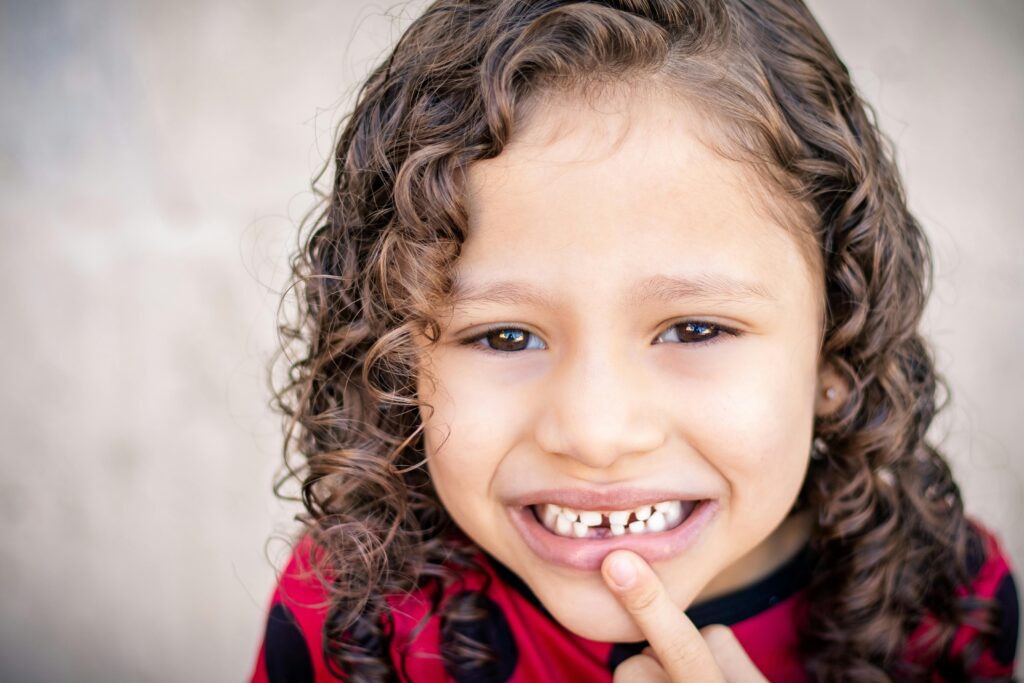
Many children begin touching the tooth, wiggling it, or asking questions. They may even feel excited or nervous.
All these signs are part of understanding baby teeth losing why. They show that the body is doing exactly what it is supposed to do.
What Parents Should Do When Baby Teeth Start Falling Out
Once you understand baby teeth losing why, it becomes easier to help your child. You do not need to rush the process or try to pull the tooth. Let it loosen naturally.
Here are some things parents should do during this stage:
- Encourage Gentle Wiggling
If the child wants to wiggle the tooth with their tongue, it is safe. But they should not forcefully pull it. - Maintain Good Oral Hygiene
Brushing should continue as usual. It is safe to brush loose teeth, just do it gently. Clean gums too. - Keep the Mouth Clean After the Tooth Falls Out
A small amount of blood is normal. Rinse with water and apply a clean tissue if needed. - Offer Soft Foods
If the tooth is very loose, soft foods like yogurt, bananas, or mashed potatoes feel comfortable. - Visit a Dentist If Something Looks Unusual
Sometimes a tooth stays too long or the adult tooth comes in crooked. A dentist can check it.
Understanding baby teeth losing why helps parents stay calm and avoid unnecessary worry during this natural process.
When Should You Worry?
Losing baby teeth is almost always normal. But sometimes parents wonder if something is wrong. The following situations may need a dentist’s help:
- A baby tooth is loose but very painful
- A tooth does not fall out even when the adult tooth is fully visible
- The gums look infected or swollen
- A child loses a baby tooth too early due to injury or decay
- A child is older than seven and has not lost any teeth
These situations do not always mean a problem, but knowing them helps you understand more about baby teeth losing why and what is considered normal.
How to Make the Tooth-Loss Experience Fun for Kids
Since children may feel nervous, you can make the experience enjoyable. Many families create small traditions to make the process exciting. Here are some ideas:
- Tooth Box
Let your child keep the tooth in a tiny box until they decide what to do with it. - Reward Chart
Every time a tooth falls out, add a sticker to show progress. - Story Time
Use books about baby teeth losing why to make the process easier to understand. - Simple Celebrations
A small treat, a fun note, or a bedtime story can make the day special.
Children love feeling encouraged, and these little gestures help them feel proud of growing up.
Final Thoughts on Baby Teeth Losing Why
Understanding baby teeth losing why helps parents and children feel more relaxed during this natural part of growing up. Baby teeth fall out because the body is making space for stronger, adult teeth. The process takes years, and every child moves at their own speed.
Wiggly teeth, small gaps, and new adult teeth appearing are all healthy signs. With gentle care, good oral hygiene, and occasional dentist visits, the entire experience becomes smooth and stress-free.
Losing baby teeth is a milestone. It means your child is growing, learning, and stepping into a new stage of life. If you understand baby teeth losing why, you can guide them confidently and make it a positive memory.