
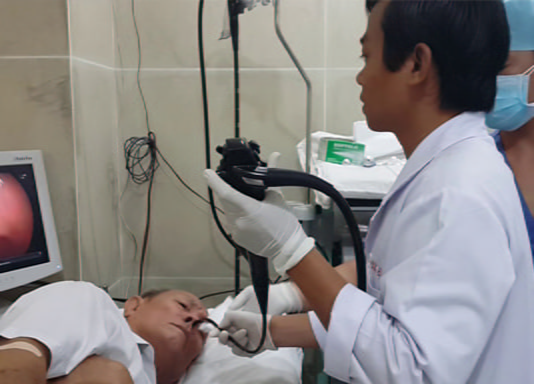
Many people hear the word gastroscopy and feel confused or nervous. Medical words can sound scary, but they are often simpler than they seem. One common question people ask is: a gastroscopy is the visual examination of what?
This blog post will explain everything in easy language so anyone can understand it.
We will talk about what a gastroscopy is, what parts of the body are examined, why doctors use it, how the test is done, and what happens after it. By the end, you will have a clear answer and feel more confident about this medical test.
A Gastroscopy Is the Visual Examination of What?
A gastroscopy is the visual examination of the upper part of the digestive system. This includes three main parts of the body:
- The esophagus (food pipe)
- The stomach
- The duodenum (the first part of the small intestine)
Doctors use a small camera to look inside these areas. The camera helps them see problems that cannot be seen from the outside. This is why the test is called a visual examination.
The main purpose of a gastroscopy is to check if everything inside is healthy and working properly. It helps doctors find the cause of pain, bleeding, or digestion problems.
What Is a Gastroscope?
To understand the test better, it is important to know about the tool used. The tool is called a gastroscope.
A gastroscope is a long, thin, flexible tube with:
- A tiny camera at the tip
- A light to see clearly
- A screen that shows live images to the doctor
The camera sends pictures to a monitor, allowing the doctor to examine the inside carefully. The tube is gently passed through the mouth and down into the digestive system.
Even though it sounds uncomfortable, most people handle it well, especially with proper preparation.
Why Do Doctors Recommend a Gastroscopy?
Doctors recommend this test when someone has symptoms that need a closer look. Since a gastroscopy is the visual examination of the upper digestive tract, it helps doctors find the exact problem.
Common reasons include:
- Long-lasting stomach pain
- Trouble swallowing food
- Frequent heartburn or acid reflux
- Nausea or vomiting
- Blood in vomit or stool
- Unexplained weight loss
The test helps doctors make an accurate diagnosis and plan the right treatment.
Which Body Parts Are Examined During a Gastroscopy?
Let’s break it down clearly so you know exactly what is examined.
Esophagus
The esophagus is the tube that carries food from the mouth to the stomach. During a gastroscopy, doctors check for:
- Inflammation
- Narrow areas
- Tears or damage
- Signs of acid reflux
Stomach
The stomach is where food is mixed with acid. Doctors look for:
- Ulcers
- Infections
- Swelling or redness
- Tumors or growths
Duodenum
The duodenum is the first part of the small intestine. Doctors examine it for:
- Ulcers
- Blockages
- Digestive problems
So, when people ask a gastroscopy is the visual examination of what, the simple answer is: the esophagus, stomach, and duodenum.
How Is a Gastroscopy Performed?
The procedure follows simple steps and usually takes 10 to 20 minutes.
First, the patient is asked not to eat or drink for several hours. This keeps the stomach empty and helps the doctor see clearly.
Next, the throat may be sprayed with a numbing medicine. Sometimes, a mild sedative is given to help the patient relax.
Then, the gastroscope is gently passed through the mouth. The doctor watches the screen and carefully examines the digestive organs.
The test is done slowly and safely, with trained medical staff present at all times.
Is a Gastroscopy Painful?
Many people worry about pain, but a gastroscopy is usually not painful.
Most patients feel:
- Mild discomfort
- A gagging feeling
- Pressure in the throat
These feelings pass quickly. Sedation helps reduce discomfort, and the test is over before most people realize it.
Doctors and nurses make sure the patient is comfortable throughout the process.
What Can a Gastroscopy Detect?
Since a gastroscopy is the visual examination of important digestive organs, it can detect many conditions.
Some common findings include:
- Stomach ulcers
- Acid reflux damage
- Infections like H. pylori
- Inflammation
- Polyps or tumors
- Bleeding sources
Early detection is one of the biggest benefits of this test. Finding problems early makes treatment easier and more effective.
Can Samples Be Taken During a Gastroscopy?
Yes, one important benefit of this test is that doctors can take small tissue samples, called biopsies.
The samples are painless to collect and help doctors:
- Test for infections
- Check for cancer cells
- Study inflammation
Patients usually do not feel when a biopsy is taken. It does not change the length or comfort of the procedure.
What Happens After the Gastroscopy?
After the test, the patient rests for a short time. If sedation was used, someone else should drive them home.
Common after-effects include:
- Mild sore throat
- Bloating
- Sleepiness
These effects usually go away within a few hours.
Doctors often explain initial findings right away. Biopsy results may take a few days.
How Safe Is a Gastroscopy?
A gastroscopy is considered very safe when done by trained professionals.
Serious problems are rare. Doctors follow strict safety rules and monitor patients closely.
The benefits of early diagnosis usually far outweigh the small risks involved.
Preparing for a Gastroscopy
Good preparation makes the test smoother and more accurate.
Patients are usually advised to:
- Stop eating 6–8 hours before the test
- Avoid drinking liquids for a few hours
- Tell the doctor about medicines
- Follow all medical instructions
Proper preparation helps the doctor get clear images and complete the examination properly.
Final Thoughts: A Gastroscopy Is the Visual Examination of What?
To summarize everything simply, a gastroscopy is the visual examination of the esophagus, stomach, and duodenum. It allows doctors to see inside the upper digestive system using a small camera.
This test helps find the cause of digestive problems, detect diseases early, and guide proper treatment. It is safe, quick, and very helpful for both doctors and patients.
If your doctor recommends a gastroscopy, understanding the procedure can reduce fear and stress. Knowledge always makes medical decisions easier and more confident.