
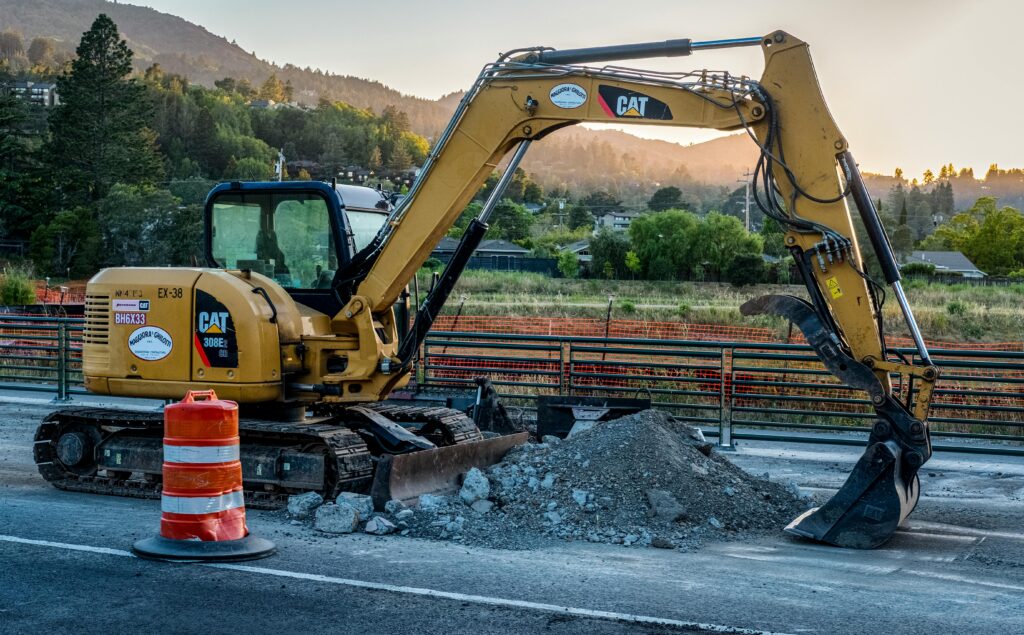
Bangerter Highway construction has been a big topic for people in Utah for many years. If you live, work, or travel around the Salt Lake Valley, you’ve probably noticed changes happening on this busy road. In this blog post, we’ll explain what Bangerter Highway construction is, why it matters, how it affects you, and what the future holds. This guide is clear and easy to understand, even if you’re not an expert on highways.
What Is Bangerter Highway Construction?
Bangerter Highway construction refers to the long-term effort to improve and expand Bangerter Highway in Utah. Bangerter Highway (also known as State Route 154) is a major road that runs north and south through parts of Salt Lake County. It connects many communities and serves as an important alternative to I-15. Because the road carries so much traffic, Utah transportation planners decided to upgrade it with new lanes, bridges, interchanges, and safety features. The work has taken many years and has been done in stages to keep traffic moving while crews build improvements.
The goal of Bangerter Highway construction is to reduce congestion, improve safety, and support future growth. The highway has seen large increases in traffic as more people move into the region. Without upgrades, rush-hour traffic could become even worse. That’s why construction projects have focused on widening the road and making it more efficient for drivers.
Why Bangerter Highway Construction Started
The story of Bangerter Highway construction began with rapid growth in the Salt Lake Valley. As more families moved into areas like Riverton, Herriman, and South Jordan, the population boom increased the number of cars on the road. Bangerter Highway became a popular route for commuters trying to avoid the interstate.
Unfortunately, the highway was originally built as a 2-lane road in many areas. With so many vehicles, traffic backups became common, especially during morning and evening rush hours. Engineers also found spots along the road where accidents happened more often. Because of these problems, Utah Department of Transportation (UDOT) planners proposed a long-term plan to turn Bangerter Highway into a modern, multi-lane freeway-style road.
Construction plans included adding lanes, building interchanges to replace intersections with traffic-lights, and improving bridges over rail lines, rivers, and other roads. These updates would allow cars to move more smoothly and safely.
Major Bangerter Highway Construction Projects
There have been several major stages to Bangerter Highway construction. Each phase focused on different sections of the road.
1. Widening the Highway
One of the first big steps in Bangerter Highway construction was adding more lanes. Many sections of the road started with only one or two lanes each way. As part of the upgrade, crews added additional lanes so drivers have more space and fewer slowdowns. This has helped cut down on bottlenecks where traffic used to stack up.
2. Building Interchanges
Another important part of Bangerter Highway construction has been replacing busy intersections with interchanges. Interchanges allow vehicles to merge and exit without stopping at red lights. Projects like the interchanges at Redwood Road and 7000 South have helped traffic flow much better. These changes also reduce crash risks, because drivers don’t have to cross multiple lanes of traffic at signals.
3. Bridge Improvements
In some areas of Bangerter Highway construction, old bridges were replaced with stronger, wider ones. These improvements help handle heavier traffic and make the road safer during storms or other emergencies. Bridges over major rail lines and creeks were also part of the upgrade plans.
How Construction Has Affected Daily Life
When Bangerter Highway construction is active, many drivers notice changes. Construction zones can lead to slower travel times, especially during peak hours. Drivers sometimes need to detour around work zones or deal with temporary lane closures. This can feel frustrating, but it’s a normal part of building safer, more efficient roads.
Many local commuters have learned to check traffic apps, listen to traffic reports, and plan routes ahead of time during construction. In some cases, people choose alternate routes or change their travel times to avoid delays. Schools, businesses, and emergency services also plan around construction schedules to keep things running smoothly.
Although construction can be an inconvenience, it’s important to remember that the improvements are designed to benefit drivers long-term. Wider lanes, better interchanges, and smoother traffic flow help reduce travel time once construction is finished.
Benefits of Bangerter Highway Construction
Despite delays and roadwork, the benefits of Bangerter Highway construction are significant. Here are a few positive changes people have seen:
1. Faster Travel Times
After construction projects are completed, most drivers find that their commute is faster. Removing traffic lights and adding lanes allows vehicles to keep moving more consistently.
2. Improved Safety
New interchanges and better road design have reduced the number of collisions. Drivers are less likely to get into accidents at busy intersections or when merging onto the highway.
3. Supports Growth
As Salt Lake County continues to grow, roads need to keep up. Bangerter Highway construction helps the region support new homes, businesses, and services without overwhelming traffic.
4. Better Connectivity
The updated highway connects important parts of the valley, making it easier for people to travel between schools, shopping centers, workplaces, and recreational areas.
Tips for Driving During Construction
If you’re living in the area while Bangerter Highway construction is happening, here are helpful tips to make your commute smoother:
- Check Traffic Before You Go: Use apps like Google Maps, Waze, or local traffic reports to see current conditions.
- Allow Extra Time: Build extra time into your travel schedule so you don’t feel rushed if you hit a work zone.
- Follow Signs and Speed Limits: Construction areas often have lower speed limits to keep workers safe. Following them helps avoid tickets and accidents.
- Use Alternate Routes: When possible, take side streets or other freeways to avoid busy construction sections.
- Stay Patient: Construction can be frustrating, but patience helps reduce stress and keeps everyone safe.
Looking Ahead: The Future of Bangerter Highway Construction
Even though many improvements are already complete, some parts of the highway may still need work. Transportation planners continue to monitor traffic patterns and safety data to decide where future upgrades are needed. With continued growth in the region, updates to Bangerter Highway construction may be part of long-range plans for years to come.
Residents can stay informed by checking updates from the Utah Department of Transportation. UDOT often shares project timelines, traffic alerts, and detour information on its website and social media. Staying informed helps drivers plan ahead and avoid surprises on the road.
Conclusion: Why It Matters
In the end, Bangerter Highway construction is about building a safer and more efficient future for everyone who travels through the heart of the Salt Lake Valley. Although the work sometimes feels inconvenient, the long-term benefits are clear: faster travel times, improved safety, and better support for growth and development.