
Table of Contents
Introduction to .25 Wheel Spacers
Wheel spacers are small devices placed between your vehicle’s hub and the wheel to create extra space, and a .25 wheel spacer specifically refers to a spacer that is approximately a quarter of an inch thick, or 25 millimeters. These spacers are commonly used to improve the stance of a car, provide clearance for larger tires or brakes, or enhance handling stability. While they may seem like a small modification, .25 wheel spacers can have a noticeable effect on both the appearance and performance of your vehicle. They allow the wheels to sit more flush with the fenders, which can make a car look sportier and more aggressive. Additionally, they help to widen the track of the vehicle, giving better balance and sometimes improved cornering grip. However, like any car modification, they come with benefits and risks that need to be carefully considered. Using high-quality materials such as aircraft-grade aluminum and ensuring proper installation can make a .25 wheel spacer a safe and effective upgrade for both daily drivers and performance vehicles.
What Are .25 Wheel Spacers and How They Work
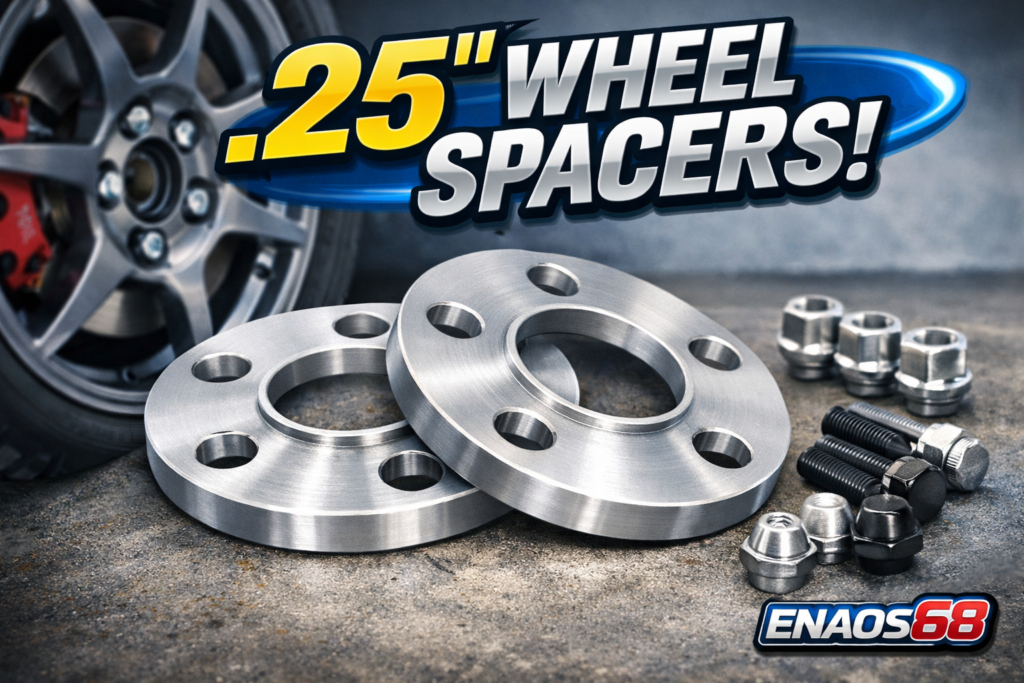
A .25 wheel spacer is a simple yet effective component that sits between your vehicle’s hub and the wheel, pushing the wheel outward by approximately a quarter of an inch, or 25 millimeters. This small adjustment can have a big impact on how your car looks and performs. The main purpose of a spacer is to adjust the wheel’s offset, which is the distance between the hub mounting surface and the centerline of the wheel. By using a .25 wheel spacer, the wheels are positioned slightly further from the suspension components, which can prevent rubbing against brake calipers, control arms, or fenders when installing larger or aftermarket wheels. Many drivers use these spacers to achieve a flush or aggressive stance, improving the overall aesthetics of the car while maintaining proper clearance. They are usually made from strong, lightweight materials such as aircraft-grade aluminum to ensure durability and safety. High-quality spacers are hub-centric, meaning they fit perfectly over the hub of the vehicle to provide a secure and vibration-free connection. The design ensures that the vehicle maintains balance, even with the slight extension in wheel placement.
Besides aesthetic improvements, .25 wheel spacers also influence vehicle handling and performance. By slightly widening the track of the car, these spacers can enhance cornering stability, reduce body roll, and improve overall traction. This is particularly noticeable in cars with wider tires or performance vehicles that experience higher lateral forces during turns. However, it is important to note that while a 25 mm spacer is relatively small, it still adds leverage to the wheel assembly, which means that using proper installation techniques, correct torque specifications, and re-checking the tightness after driving is essential to ensure safety. Car enthusiasts often use these spacers as a cost-effective way to achieve the performance benefits of a wider stance without buying entirely new wheels with different offsets. In essence, a .25 wheel spacer is both a practical solution for fitment issues and a subtle performance enhancement, combining visual appeal with functional benefits when chosen and installed correctly.
Benefits of Using .25 Wheel Spacers
Using .25 wheel spacers can bring a range of benefits to both everyday drivers and car enthusiasts, combining visual improvements with functional performance upgrades. One of the most noticeable advantages is the way they improve the stance of the vehicle. When wheels sit more flush with the fenders, the car appears wider, more aggressive, and visually balanced, which is especially appreciated by those who care about aesthetics and style. Beyond looks, these spacers also help solve practical issues such as clearance problems with larger tires, brake calipers, or suspension components. For cars that have aftermarket wheels or tires that don’t perfectly fit the stock hub offset, a 25 mm spacer can prevent rubbing and allow for a smooth, safe fit. Moreover, by pushing the wheels outward, they slightly widen the vehicle’s track, which can increase stability, reduce body roll during turns, and improve overall handling performance. This makes .25 wheel spacers not just a cosmetic upgrade but a functional modification that subtly enhances driving dynamics without requiring major changes to the car’s suspension or wheels.
Another important benefit of .25 wheel spacers is that they are a cost-effective way to modify a vehicle without investing in new wheels or extensive suspension work. For performance-focused drivers, widening the track with these spacers can provide better traction and control, especially in high-speed corners or during spirited driving. In addition, when paired with hub-centric, high-quality spacers made from materials like aircraft-grade aluminum, the installation is secure and durable, reducing the chances of vibration or wheel misalignment. For off-road vehicles, spacers can provide additional clearance for larger tires, enhancing stability and preventing tire rub against fenders or suspension components during rough terrain driving. Many enthusiasts also appreciate the versatility of a .25 spacer, as it allows for future wheel upgrades without worrying about fitment issues. In summary, the benefits of using .25 wheel spacers go beyond simple aesthetics, offering improved wheel fitment, enhanced vehicle stance, better handling, and an affordable solution for both performance and appearance upgrades, making them a popular choice among drivers looking to enhance their car safely and effectively.
Risks and Downsides of .25 Wheel Spacers
While .25 wheel spacers offer several benefits, it’s important to understand the potential risks and downsides before installing them on your vehicle. One of the main concerns is the additional stress they place on the wheel hub, bearings, and suspension components. By pushing the wheel outward, spacers increase leverage on these parts, which over time can lead to faster wear if low-quality spacers are used or if the installation is done incorrectly. Even though a 25 mm spacer is relatively small, improper torque, loose bolts, or using non-hub-centric spacers can create vibration issues, reduce stability, and in extreme cases, cause wheel separation. Another consideration is the effect on vehicle handling. Changing the wheel offset alters the scrub radius, which can slightly change steering feel, making it heavier at low speeds or affecting cornering dynamics. Drivers may not notice a large difference during normal driving, but performance enthusiasts or those who regularly corner at higher speeds need to be aware of these subtle changes in vehicle dynamics. Additionally, some warranties may be affected, as certain manufacturers do not cover suspension or wheel-related components if aftermarket spacers are installed, meaning it’s crucial to check the vehicle’s warranty and local laws before making modifications.
Another potential downside of using .25 wheel spacers is that they can sometimes affect ride quality and vehicle alignment if not installed properly. Even high-quality spacers require careful installation with proper tools and torque specifications, and regular maintenance checks are recommended to ensure bolts remain tight and parts are not wearing unevenly. Using stacked or multiple spacers to achieve a larger offset is strongly discouraged, as it significantly increases the risk of failure and vibration. Furthermore, street legality can vary depending on where you live, and some regions have strict regulations regarding wheel modifications, fender coverage, or spacing limits, meaning improper use could lead to fines or inspection failures. It’s also possible for inexperienced installers to make mistakes, such as failing to clean the hub surface or improperly seating the spacer, which can compromise safety. In essence, while .25 wheel spacers are generally safe when used correctly, the potential risks require careful consideration, professional installation when possible, and ongoing maintenance to ensure that the vehicle remains safe, stable, and performs as intended.
Choosing the Right .25 Wheel Spacers
Choosing the right .25 wheel spacers is essential to ensure safety, performance, and proper fitment on your vehicle. The first factor to consider is whether to use hub-centric or lug-centric spacers. Hub-centric spacers are designed to fit perfectly over the hub of the car, which centers the wheel accurately and reduces the risk of vibration, while lug-centric spacers rely solely on the wheel bolts or studs to hold the wheel in place, which may lead to slight movement if not properly torqued. Material quality is another critical consideration; high-grade aircraft aluminum is preferred because it is strong, lightweight, and resistant to corrosion, ensuring that the spacer can handle the stresses placed on it over time. Additionally, you should check the specifications of your vehicle and the wheels you plan to install. Factors such as PCD (pitch circle diameter), center bore size, thread pitch, and offset compatibility must match precisely to avoid safety issues. Using a spacer that does not fit properly can cause vibration, uneven wear, and potentially dangerous driving conditions, making careful selection and verification of specifications a non-negotiable step in the process.
Another important aspect when choosing .25 wheel spacers is determining the appropriate thickness for your specific needs. While 25 mm is a common size that offers a balance between aesthetic improvement and functional performance, it may not be suitable for every vehicle or wheel combination. For instance, some cars with very tight brake clearance may require a thinner spacer, while vehicles with wide aftermarket wheels may benefit from slightly thicker spacers. It is essential not to stack spacers to achieve a desired thickness, as this can compromise safety and increase stress on suspension and hub components. Consulting manufacturer guidelines, online fitment databases, and even professional shops can help ensure that the spacers you choose will work effectively without causing mechanical issues. The right .25 wheel spacer will provide improved wheel fitment, enhanced stance, and better handling while maintaining vehicle safety and reliability, making the selection process as important as the installation itself.
Installing .25 Wheel Spacers – Step by Step
Installing .25 wheel spacers may seem straightforward, but doing it correctly is crucial for both safety and performance. The process begins with proper preparation, which includes lifting the car securely, removing the wheels, and cleaning the hub surface thoroughly to ensure a flat, even contact for the spacer. It is important to use high-quality, hub-centric spacers to avoid any misalignment or vibration. Once the spacer is placed over the hub, it should sit flush against the surface with no gaps. After positioning the spacer, the wheel is reinstalled, and all lug nuts should be torqued to the manufacturer’s specifications using a reliable torque wrench. Proper torquing ensures that the wheel and spacer are held securely in place and prevents any loosening during driving. It is also highly recommended to use anti-seize compound on the hub to prevent corrosion and make future removal easier. Skipping these steps or rushing the installation can lead to vibrations, uneven wear on wheel bearings, or in extreme cases, wheel detachment.
After installation, post-installation checks are just as important to maintain safety and performance when using .25 wheel spacers. Driving the car for a short distance and then re-torquing the lug nuts is essential because the spacer and wheel may settle slightly during initial use. Inspecting the spacers periodically for cracks, looseness, or signs of corrosion will ensure long-term safety and durability. Additionally, it is advisable to have a wheel alignment and balance check performed after installation, as even minor changes in wheel offset can affect steering and handling. Professional installation is often recommended, especially for performance vehicles, off-road trucks, or any car where tight tolerances are critical. By following these careful installation and post-installation practices, .25 wheel spacers can provide both aesthetic improvements and functional handling benefits without compromising safety or reliability.
Maintenance Tips After Installation
Maintaining .25 wheel spacers after installation is critical to ensure long-term safety, performance, and durability. Even though these spacers are designed to be strong and reliable, the additional leverage they create on the wheel hub and suspension components means regular inspections are necessary. It is recommended to re-check and re-torque the lug nuts after the first 50 to 100 miles of driving, as the spacers and wheels can settle slightly during initial use. Periodic inspections should also include checking for any signs of cracking, corrosion, or loosening of bolts, which could indicate wear or improper fit. Cleaning the hub and spacer surface to remove dirt and debris can also help maintain a secure connection and prevent potential vibration issues. Using high-quality tools and following the manufacturer’s torque specifications ensures that the spacers remain securely attached and perform as intended over time. Consistent maintenance allows drivers to enjoy the benefits of a .25 wheel spacer without compromising safety or handling.
In addition to regular torque checks and visual inspections, alignment and wheel balance play an important role in the ongoing maintenance of vehicles with .25 wheel spacers. Even a small change in wheel offset can slightly alter the steering geometry, and over time, this can lead to uneven tire wear or subtle handling changes. Having a professional alignment after installing spacers ensures that the suspension and steering components remain properly set, maximizing both performance and safety. Regular balancing of the wheels is also important, especially for vehicles driven at higher speeds or with performance-oriented setups, as it minimizes vibrations and ensures smooth operation. For off-road or high-performance vehicles, more frequent inspections may be necessary due to increased stress on suspension components. By combining careful torque checks, alignment verification, and ongoing visual inspections, drivers can safely enjoy the aesthetic and handling improvements provided by .25 wheel spacers for many miles.
Frequently Asked Questions About .25 Wheel Spacers
Many drivers considering .25 wheel spacers have common questions about safety, fitment, and performance, and understanding these answers is essential for making an informed decision. One of the most frequently asked questions is whether a 25 mm spacer is safe for daily driving. When high-quality, hub-centric spacers are properly installed and periodically checked for torque and wear, they are generally safe for both daily use and performance driving. Another common concern is whether spacers affect steering or handling. Because a spacer changes the wheel offset slightly, it can alter the scrub radius and steering feel, making steering feel heavier at low speeds or subtly changing handling dynamics during sharp corners. However, for most drivers, these changes are minor and often unnoticeable in regular driving conditions. Questions also arise about whether spacers increase wear on wheel bearings, and while the added leverage does place slightly more stress, using a spacer like a .25 wheel spacer, which is relatively thin, typically does not cause significant issues if the installation is done correctly and maintenance is followed.
Other frequent questions involve installation specifics, such as whether longer studs are needed or if multiple spacers can be stacked to achieve a thicker offset. Generally, a proper .25 spacer does not require longer studs if it is designed for the vehicle, and stacking smaller spacers is strongly discouraged because it increases the risk of failure and vibration. Many people also want to know how wide 25 mm actually is, and it is equivalent to approximately 1/4 inch, which is enough to adjust wheel fitment without drastically altering vehicle dynamics. Understanding these details helps drivers make confident decisions about using .25 wheel spacers while addressing concerns related to safety, legal requirements, and vehicle warranty. By being aware of these common questions and answers, car owners can install spacers responsibly and enjoy the aesthetic and performance benefits without unnecessary risk.
Real World Use Cases
.25 wheel spacers are used in a wide variety of real-world scenarios, from daily commuting vehicles to high-performance sports cars and off-road trucks. For daily drivers, these spacers often provide subtle but noticeable improvements in appearance and fitment. Many owners use them to push wheels slightly outward, creating a flush look with the fenders that enhances the car’s visual stance without making major modifications. Beyond aesthetics, spacers can solve practical problems such as minor rubbing between tires and suspension components, especially when aftermarket wheels are installed. This allows car enthusiasts to enjoy upgraded wheels that would otherwise not fit properly while maintaining safe operation on the road. In these cases, a .25 wheel spacer strikes the perfect balance between functional improvement and subtle visual enhancement, making it a popular choice among drivers who want modest upgrades without affecting the daily usability of their vehicles.
Performance vehicles and off-road trucks also benefit significantly from .25 wheel spacers. On sports cars, the slight widening of the track helps improve cornering stability, reduces body roll, and provides better traction during spirited driving, giving a performance edge without the need for extensive suspension modifications. For off-road vehicles, spacers help create additional clearance for larger tires and wider tracks, which enhances stability over rough terrain and prevents tires from rubbing against fenders or suspension components during aggressive off-road use. Many off-road enthusiasts rely on high-quality hub-centric spacers to ensure that even under heavy loads or uneven surfaces, the wheels remain securely attached and vibration-free. These real-world applications demonstrate that .25 wheel spacers are versatile tools that provide both practical solutions and performance benefits, making them valuable upgrades for a wide range of vehicles and driving styles.
Conclusion
In summary, .25 wheel spacers are a practical and versatile modification that offers a combination of aesthetic, functional, and performance benefits for a wide range of vehicles. By slightly pushing the wheels outward, these spacers improve wheel fitment, provide a more aggressive and balanced stance, and can enhance handling stability through a wider track. They are particularly useful for drivers who want to install aftermarket wheels, larger tires, or improve clearance for brake components without completely redesigning their suspension or wheel setup. When made from high-quality materials such as aircraft-grade aluminum and installed correctly with proper torque specifications, .25 wheel spacers are safe and reliable for both daily driving and performance applications. Regular maintenance, including re-torquing and inspections, ensures that these benefits are sustained over time while minimizing potential risks such as vibration, uneven wear, or stress on wheel bearings.
However, it is equally important to consider the potential downsides of .25 wheel spacers, such as subtle changes in steering feel, increased leverage on suspension components, and the necessity of checking legal regulations and warranty implications before installation. Choosing the right spacer, ensuring proper fitment, and following meticulous installation procedures can mitigate most of these risks. Whether for aesthetic improvements, minor performance enhancements, or practical fitment solutions, .25 wheel spacers provide an affordable and effective way to enhance a vehicle’s stance and handling while offering flexibility for future upgrades. For anyone considering this modification, understanding the benefits, risks, and proper maintenance requirements is key to achieving a safe and rewarding driving experience that maximizes both style and performance.