
Table of Contents
What is a 1 1 2 Spacer? (Beginner Explanation)
A 1 1 2 spacer is a simple concept that is used to create balanced spacing, timing, or alignment in different areas like fitness, construction, and mechanical work. In easy words, it means dividing something into a pattern where the spacing or timing follows a 1-1-2 sequence, helping people maintain consistency and accuracy without confusion. Many beginners search for the term 1 1 2 spacer because they want a clear and easy way to manage spacing or intervals without using complicated calculations. For example, in fitness, it can guide rest and work timing, while in construction or design, it helps keep equal or planned distances between objects. This method is popular because it is simple, easy to remember, and works well in real-life situations where precision matters but complexity should be avoided.
Understanding the Meaning of 1 1 2 Spacer
The term 1 1 2 spacer might sound technical at first, but its meaning is actually straightforward once you break it down. The “1 1 2” part represents a pattern or ratio that is used to divide time, space, or sequence in a practical and organized way. In simple terms, it’s like creating a rhythm or balance where the first part is equal to one unit, the second part is equal to one unit again, and the third part is double that unit, making it twice as long or wide. This pattern can be applied in multiple areas, from timing exercises in workouts to spacing objects in construction or design projects. Understanding this ratio helps people create predictable and effective arrangements without constantly measuring or guessing, which can save time and reduce errors. Essentially, it is a method to bring order to tasks that require precise intervals or distances, making it easier to follow a consistent system.
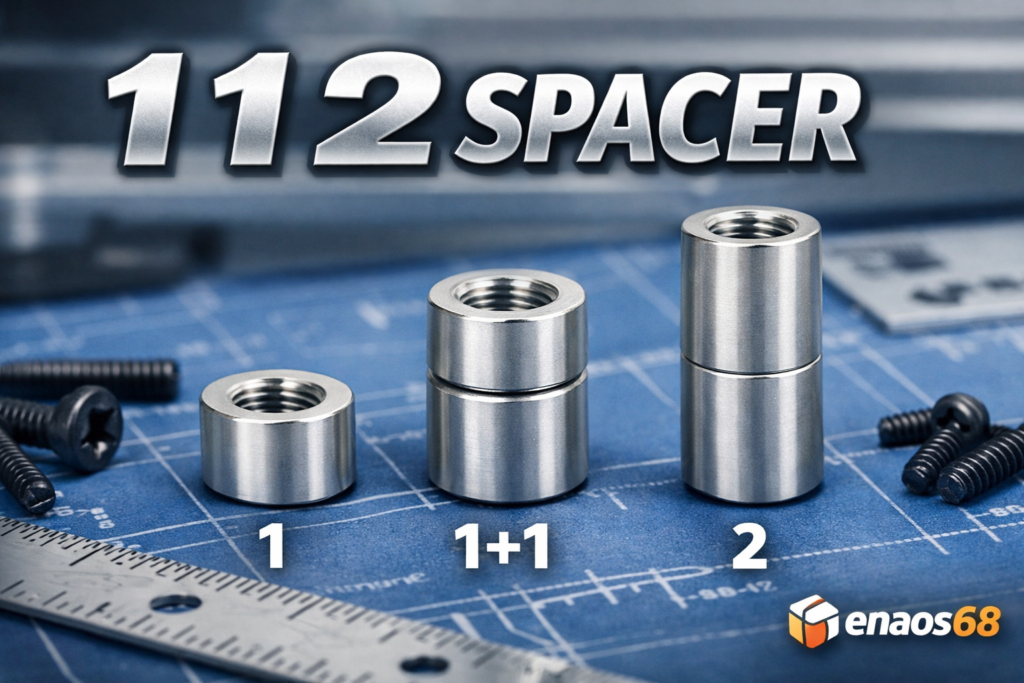
The second part of the term, spacer, refers to a tool or concept that creates a separation or a gap between items, steps, or periods. A spacer can be a physical object like a small block, washer, or metal piece used in engineering and construction, or it can be a timing method used in fitness, music, or other fields where intervals are important. Combining this idea with the 1-1-2 pattern allows users to apply the sequence in a tangible or measurable way. For example, when building a frame, a 1 1 2 spacer ensures that certain pieces are aligned correctly and maintain equal proportions with intentional variation. In a fitness scenario, a 1 1 2 spacer might control workout intensity by having shorter initial intervals and a longer one to maximize effectiveness. Overall, the concept of a 1 1 2 spacer is not just about measurement; it is about creating harmony, consistency, and predictability in tasks where spacing or timing plays a key role.
Types of 1 1 2 Spacer in Different Fields
The 1 1 2 spacer is a versatile concept that is applied in several fields, each using the pattern to achieve accuracy, consistency, and efficiency. In the world of fitness and exercise, the 1-1-2 pattern is often used to structure workouts, especially in interval training. For instance, an exercise session might involve one unit of high-intensity work, followed by one unit of rest, and then a double-length period of moderate activity. This spacing method allows the body to recover while still maintaining a challenging rhythm, which can improve endurance, strength, and overall workout performance. The pattern is simple to follow, which is why many trainers and athletes prefer it over more complicated timing systems. By using a 1 1 2 spacer, fitness routines become organized, measurable, and effective, helping individuals progress steadily without overtraining or burnout.
In mechanical, construction, and design applications, the 1 1 2 spacer takes on a more physical form. Here, a spacer refers to a small tool or material used to create precise gaps or alignment between components. For example, in construction, a 1 1 2 spacer can ensure that tiles, beams, or panels are evenly placed with the intended pattern, preventing errors and improving the overall quality of the project. Engineers may use metal or plastic spacers to maintain uniform distances in machinery assembly, while designers may rely on similar principles for furniture, electronics, or decorative arrangements. The “1 1 2” ratio provides a logical sequence that is easy to replicate, which reduces mistakes and improves efficiency. Whether it’s fitness, construction, or mechanical design, the 1 1 2 spacer acts as a reliable guide, helping users maintain consistency, save time, and achieve professional results with minimal complexity.
How a 1 1 2 Spacer Works
A 1 1 2 spacer works by applying a simple, repeating pattern that divides time, space, or sequences into an organized ratio, making processes easier to follow and more accurate. The principle behind it is that the first part of the sequence is equal to one unit, the second part is also one unit, and the third part is twice as long or wide. This method creates a natural rhythm or spacing that feels balanced and predictable, whether it is applied to physical objects, timing intervals, or task sequences. In practice, this could mean using a physical spacer to separate two pieces of equipment or furniture with the first two gaps being the same and the third slightly larger to accommodate design requirements. It is essentially a visual and functional guide that ensures measurements or intervals are consistent, which minimizes mistakes and increases efficiency. This predictable system can be especially helpful for beginners who might otherwise struggle with precision, allowing them to complete tasks without constant re-measuring or second-guessing.
In addition to physical applications, the 1 1 2 spacer also works conceptually in areas like training, music, or workflow management. In fitness, for instance, it can dictate the timing of exercise and rest periods, ensuring that short intervals of effort are followed by manageable recovery periods and then a slightly longer interval for endurance building. In musical practice or performance, the same pattern can be used to pace rhythms or beats, creating a sequence that is easy to follow and remember. Even in workflow planning, a 1 1 2 sequence can structure tasks so that quick, equal actions are followed by a longer, more intensive effort, improving productivity and focus. By applying this spacer concept, users benefit from a method that is both flexible and reliable, providing a clear framework that can be adapted across a variety of practical situations. This dual ability to serve both physical and conceptual purposes is what makes the 1 1 2 spacer such a powerful and widely used tool in everyday tasks and professional applications alike.
Benefits of Using a 1 1 2 Spacer
Using a 1 1 2 spacer offers several important benefits that make it a practical tool in many fields, from fitness and design to construction and engineering. One of the main advantages is consistency. By following the 1-1-2 pattern, users can ensure that spacing, timing, or alignment is accurate and uniform without constantly measuring or adjusting. This predictability reduces the risk of mistakes, whether you are assembling parts in a machine, laying out tiles in a room, or timing intervals in a workout. Another benefit is efficiency, as the pattern provides a clear framework that saves time and effort. Users do not need to overthink each step or second-guess their measurements because the sequence naturally guides them through the process. Over time, using a 1 1 2 spacer can also improve overall performance, whether it is physical performance in workouts or precision in technical projects, because it promotes a structured and well-planned approach.
Another significant benefit of the 1 1 2 spacer is its versatility. It is not limited to one type of task or industry but can be adapted for various purposes. In fitness, it helps in balancing work and recovery periods, allowing the body to exert effort while still having adequate rest. In mechanical and construction applications, it ensures proper alignment, spacing, and balance, which leads to higher-quality results and fewer errors. Additionally, the 1-1-2 system can support progressive improvement. For example, in training, the slightly longer third interval challenges endurance, promoting gradual adaptation and growth. In design or construction, this pattern helps maintain both aesthetic and functional quality, keeping structures balanced and visually appealing. Overall, the 1 1 2 spacer is an easy-to-use yet highly effective tool that brings order, reliability, and flexibility to any task, making it an essential strategy for anyone looking to improve accuracy, save time, and achieve consistent results.
How to Use a 1 1 2 Spacer Step by Step
Using a 1 1 2 spacer effectively begins with understanding the purpose of the task and identifying where the spacing or timing is required. The first step is to clearly determine what needs to be measured, aligned, or timed. For example, in construction, you might need to set the spacing between beams or tiles, while in fitness, you might be planning intervals for exercise and rest. Once the purpose is clear, you can select the appropriate type of spacer, whether it is a physical tool such as a plastic or metal block for alignment or a conceptual framework like timing intervals in a workout. Applying the 1-1-2 sequence then becomes a simple matter of following the pattern: two equal units followed by a longer third unit. This approach helps users maintain a predictable rhythm, which is easy to replicate across multiple tasks or sessions, ensuring consistency without needing constant adjustments. Understanding this step allows even beginners to achieve professional-quality results in their work or training routines.
The next part of using a 1 1 2 spacer is applying the pattern accurately and making any necessary adjustments along the way. In practice, this could mean placing a physical spacer to maintain exact distances in construction, measuring the intervals carefully to ensure uniformity, or timing rest and exercise periods in fitness according to the 1-1-2 ratio. It is important to check the placement or timing as you go, because small adjustments can improve overall accuracy and effectiveness. The beauty of the 1 1 2 method is its flexibility; it can be adapted to different sizes, units, or durations depending on the specific task. By following these steps thoughtfully, users can avoid common mistakes, save time, and achieve reliable, repeatable results. Whether for alignment, measurement, or interval timing, using a 1 1 2 spacer provides a structured framework that guides actions and ensures balance, making even complex tasks feel manageable and organized.
Common Mistakes to Avoid
Even though the 1 1 2 spacer is simple and easy to use, beginners and even experienced users can make mistakes that reduce its effectiveness. One common error is misinterpreting the 1-1-2 sequence, either by making the first two intervals unequal or not giving the third interval the correct length. This small mistake can throw off the entire pattern, whether in timing exercises, spacing objects in construction, or aligning mechanical components. Another frequent issue is choosing the wrong type or size of spacer. Using a spacer that is too large or too small for the task can create gaps that are inconsistent, which defeats the purpose of using the method in the first place. Some people also forget to double-check their measurements or placements, assuming the pattern will automatically work, which often leads to errors that could have been easily corrected with careful verification. Understanding these pitfalls and staying mindful while using the 1 1 2 spacer can prevent unnecessary frustration and wasted time.
Another mistake people often make with a 1 1 2 spacer is overcomplicating its use or ignoring its flexibility. Some users try to apply it too rigidly without considering the specific context, which can make the process unnecessarily complex or impractical. For example, in fitness, trying to strictly follow the timing without adjusting for personal endurance or performance levels can result in fatigue or poor results. In mechanical or design applications, forcing exact uniformity without considering material flexibility or tolerances can create problems during assembly or alignment. Another oversight is not comparing the 1 1 2 pattern to alternative methods, which might sometimes be more appropriate depending on the situation. Avoiding these mistakes requires both understanding the logic behind the spacer and being willing to make small adjustments for real-world conditions. When used thoughtfully, a 1 1 2 spacer provides both consistency and flexibility, helping users achieve precise, effective results without unnecessary complications.
1 1 2 Spacer vs Other Methods
The 1 1 2 spacer stands out when compared to other spacing or timing methods because of its simplicity and flexibility. Unlike equal spacing, which divides all intervals or gaps into exactly the same size, the 1-1-2 pattern introduces a deliberate variation that makes sequences more practical and adaptable. For instance, in workouts, equal intervals can feel monotonous and may not allow for proper recovery or intensity adjustments, while the 1 1 2 method provides a natural progression that balances effort and rest. In construction or design, equal spacing may not always account for the functional or aesthetic needs of a project, whereas a 1 1 2 spacer can help create alignment that feels both precise and visually appealing. This method combines predictability with a subtle flexibility, which is why it is preferred in situations where both consistency and adaptability are important.
Another advantage of the 1 1 2 spacer over other methods is that it can improve efficiency and reduce errors. Custom spacing methods often require careful calculations or repeated measurements, which can be time-consuming and prone to mistakes. The 1 1 2 pattern provides a ready-made sequence that can be applied quickly, minimizing the need for complex planning while still maintaining accuracy. Whether it is used for timing intervals, aligning mechanical components, or spacing materials in construction, the 1 1 2 spacer acts as a reliable guide that saves time and reduces stress. By providing a logical, easy-to-follow structure, it allows users to focus more on quality and performance rather than constantly measuring or guessing. This combination of simplicity, reliability, and adaptability makes the 1 1 2 spacer a superior choice in many situations where other methods may fall short.
Tools and Materials for 1 1 2 Spacer
Using a 1 1 2 spacer effectively often depends on having the right tools and materials for the specific task at hand. In construction or mechanical applications, this might include physical spacers made of metal, plastic, or rubber, which help maintain accurate distances between objects. Measuring tools like rulers, calipers, or tape measures are also essential to ensure that the pattern is applied correctly and consistently. In some cases, digital tools or apps can assist in planning intervals, especially in fitness or workflow applications, making it easier to visualize and follow the 1-1-2 sequence. The choice of material and tool can affect both the precision and durability of the spacing, so selecting quality items suited to the task is important. For example, in engineering projects, metal spacers provide sturdiness, while plastic may be more suitable for lighter applications. Similarly, in fitness training, a stopwatch or interval timer can act as a digital spacer, helping to maintain the correct sequence without requiring manual tracking.
Beyond just the tools, understanding how to use these materials properly is key to making the 1 1 2 spacer effective. Simply having the right spacer is not enough if it is not placed correctly or if the intervals are misjudged. It is important to practice careful measurement and placement, checking the sequence to make sure that the first two units are equal and the third is twice as long. In addition, flexibility in adjusting materials or timing can be helpful, particularly in real-world conditions where slight variations might occur due to uneven surfaces, material tolerances, or personal performance levels. By combining the right tools and materials with careful application, the 1 1 2 spacer becomes a highly practical method that can be used across different industries and activities, providing a consistent, reliable, and easy-to-follow framework for spacing, timing, and alignment.
FAQs About 1 1 2 Spacer
Many people have questions when they first encounter the 1 1 2 spacer, and understanding these common queries can make it much easier to apply the concept effectively. One of the most frequently asked questions is what exactly the 1 1 2 spacer means, and the answer is that it is a simple sequence where the first two intervals or spaces are equal, and the third is double that length. People also often ask where it can be used, and the truth is that it is extremely versatile. It can be applied in fitness for timing exercises and rest periods, in construction for spacing materials like tiles or beams, and in mechanical applications for aligning components or creating precise gaps. Another common question is whether beginners can use it, and the answer is yes; its simplicity makes it very beginner-friendly while still being effective for advanced users. The method provides a clear, predictable pattern that reduces errors and makes it easy to maintain consistency across repeated tasks or sessions.
Another set of questions often revolves around alternatives and effectiveness. Some users ask whether there are other methods that work better, and while there are options like equal spacing or custom intervals, the 1 1 2 spacer is often preferred because it balances simplicity with functional variation, making it more practical in real-world applications. People also ask if it is important for accuracy, and the answer is absolutely yes, because the pattern ensures predictable results whether you are measuring, aligning, or timing something. Finally, questions about adaptability are common, and the method is highly flexible; it can be adjusted to different units, sizes, or durations depending on the task while still maintaining the same reliable sequence. By understanding these FAQs and their answers, users can approach the 1 1 2 spacer with confidence, knowing that it is a simple, versatile, and highly effective tool for a wide variety of applications.
Conclusion
In conclusion, the 1 1 2 spacer is a simple yet powerful tool that brings balance, consistency, and efficiency to a wide range of tasks. Its 1-1-2 pattern is easy to understand and apply, whether you are working in fitness, construction, design, or mechanical fields. By following the first two equal intervals with a third interval that is twice as long, users can create predictable sequences that minimize errors and save time. The method works both physically and conceptually, serving as a spacer for objects or a timing framework for activities. It allows beginners to achieve accurate results without complex calculations and provides professionals with a reliable system that can be adapted to more advanced applications. Overall, it is a versatile and practical approach that enhances precision, performance, and organization.
The benefits of using a 1 1 2 spacer go beyond simple spacing or timing. It improves efficiency by reducing the need for constant measurement, increases reliability by creating consistent patterns, and adds flexibility because it can be adapted to different tasks or conditions. Whether used to structure workouts, align mechanical components, or arrange materials in construction, it is a method that supports both productivity and quality. Understanding the principles behind the 1 1 2 spacer and applying them thoughtfully allows users to avoid common mistakes and gain the most from its simplicity. By incorporating this pattern into daily tasks or professional projects, anyone can achieve better results, work more efficiently, and create systems that are both organized and effective, proving that even simple methods can have a significant impact when used correctly.