
Table of Contents
Introduction: What Are Chinese Diet Tips?
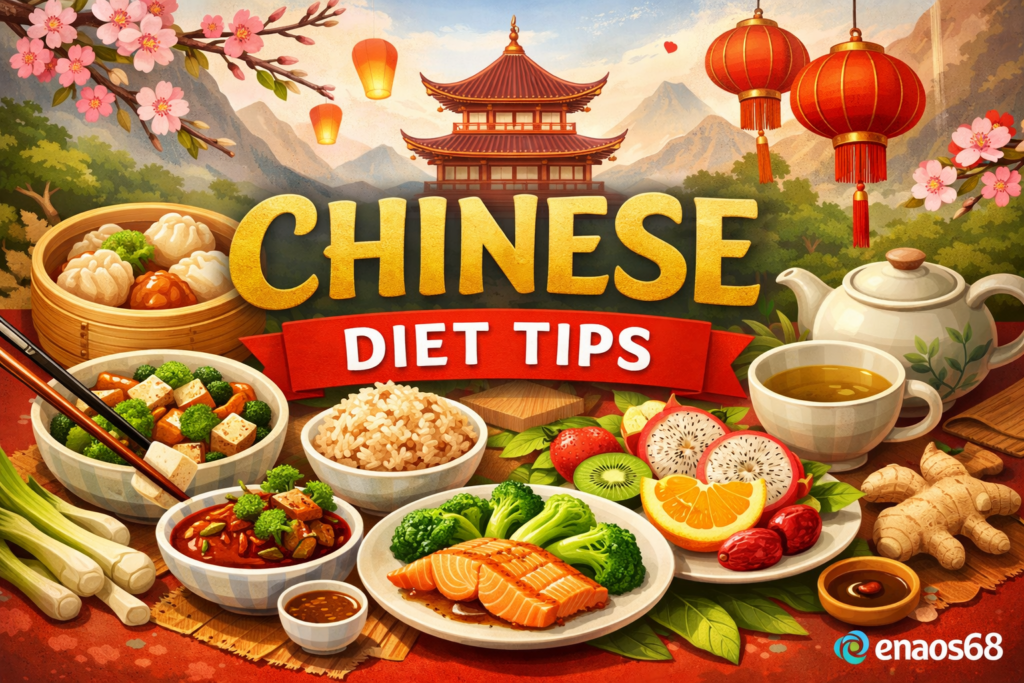
The idea of Chinese diet tips comes from a combination of traditional Chinese food wisdom and modern nutrition. Unlike diets that focus only on losing weight quickly, the Chinese diet focuses on balance, health, and energy. It is based on principles like eating a variety of foods, choosing fresh and natural ingredients, and listening to your body’s needs. For example, traditional Chinese nutrition often talks about yin and yang in foods, meaning some foods are “cooling” while others are “warming,” and balancing them can help improve digestion and overall health.
Chinese diet tips encourage people to eat plenty of vegetables, lean proteins, whole grains, and moderate portions. It also emphasizes eating at regular times, avoiding excessive fried foods, and drinking tea or water instead of sugary drinks. Studies show that people who follow a balanced Chinese diet tend to have lower risks of heart disease, diabetes, and obesity, making it one of the healthiest ways to eat.
In this blog, you will learn practical tips, meal ideas, and habits from the Chinese diet that you can use every day. Whether your goal is to improve digestion, manage weight, or boost energy, these tips will help you eat healthier without feeling restricted or bored.
Core Principles of the Chinese Diet
The Chinese diet is built around the idea of balance and variety. Unlike many modern diets that focus on restricting certain foods, the Chinese approach emphasizes eating a wide range of natural, fresh ingredients to maintain health and energy. Meals usually include a mix of vegetables, whole grains, lean proteins, and small amounts of healthy fats, ensuring the body gets all the nutrients it needs. Traditional Chinese nutrition also focuses on harmony between foods, using concepts like yin and yang, where cooling foods like cucumber are balanced with warming foods like ginger. This balance is believed to support digestion, improve metabolism, and help maintain overall wellness. Additionally, the diet encourages eating seasonal produce because fruits and vegetables in season are considered fresher and more nutritious, making it easier to enjoy a healthy, flavorful meal.
Another important principle of the Chinese diet is moderation and mindful eating. Meals are generally smaller than in Western cultures, and people are encouraged to eat slowly and enjoy their food rather than rush through it. This habit helps the body recognize fullness and prevents overeating. Cooking methods such as steaming, boiling, and stir-frying are preferred because they retain nutrients while keeping meals light and healthy. The diet also includes plenty of soups and herbal teas, which help with hydration and digestion. By following these core principles, people practicing Chinese diet tips can enjoy meals that are satisfying, nutritious, and naturally supportive of long-term health, weight management, and vitality.
Everyday Chinese Diet Tips for Healthy Eating
Following Chinese diet tips in daily life is about creating simple habits that make eating healthier easier and more enjoyable. One of the key tips is to focus on vegetables as the main part of every meal, while using proteins and grains to complement the dish. Vegetables like bok choy, spinach, and cabbage are full of fiber, vitamins, and minerals, which support digestion and provide lasting energy. Incorporating a variety of colors on your plate not only makes meals more appealing but also ensures that you are consuming a wide range of nutrients. Whole grains such as brown rice, millet, and oats are preferred over refined grains, as they keep blood sugar stable and help maintain energy levels throughout the day. Along with this, eating lean proteins such as fish, tofu, and beans supports muscle health while keeping meals light and easy to digest.
Another important everyday tip is to practice portion control and mindful eating. Chinese diet tips encourage people to eat smaller portions but more frequently, which helps avoid overeating and maintains steady energy levels. Starting meals with a small bowl of soup can reduce hunger and prevent excessive consumption of heavier foods. Drinking green tea or oolong tea with meals is another habit that helps digestion and adds antioxidants to the diet. Avoiding excessive fried foods, sugary snacks, and high-salt sauces is also recommended, as these can counteract the benefits of a balanced diet. By following these everyday habits, anyone can enjoy the benefits of the Chinese diet, including improved digestion, better weight management, and increased overall wellness.
Cooking Methods That Support a Healthy Chinese Diet
The way food is prepared in the Chinese diet is just as important as the ingredients themselves. Traditional Chinese cooking emphasizes methods that preserve nutrients and maintain natural flavors, such as steaming, boiling, and stir-frying. Steaming vegetables and fish keeps vitamins intact and reduces the need for added oils or fats, making meals lighter and healthier. Stir-frying quickly over high heat allows food to cook evenly while keeping its texture and taste intact. Boiling and simmering soups with fresh vegetables, lean meats, and herbs is another common method that not only enhances flavor but also makes nutrients easier to absorb. These cooking techniques are part of why the Chinese diet is considered one of the healthiest in the world, as they focus on preserving nutrients while avoiding heavy, unhealthy fats.
In addition to cooking methods, choosing the right ingredients and condiments is key to following Chinese diet tips effectively. Many traditional sauces like soy sauce, oyster sauce, and hoisin sauce are high in sodium, so moderation is important. Using fresh herbs, garlic, ginger, and chili peppers can enhance flavor without adding unhealthy ingredients. Homemade soups and broths are also a staple, often simmered for hours to extract maximum nutrition from vegetables, meats, and bones. Even small choices, such as preferring brown rice over white rice or using tofu instead of fatty meats, can make a big difference in maintaining a healthy lifestyle. By combining proper cooking methods with mindful ingredient selection, anyone can follow Chinese diet tips successfully and enjoy meals that are both delicious and nourishing.
Chinese Diet Tips for Weight Management
Following Chinese diet tips can be very effective for maintaining a healthy weight because the approach focuses on balance, portion control, and nutrient-dense foods. Meals in the traditional Chinese diet are designed to provide enough energy without overloading the body with calories or unhealthy fats. Vegetables form the largest part of meals, which are low in calories but high in fiber, helping you feel full for longer periods. Lean proteins like fish, tofu, and legumes supply essential amino acids while being easy to digest, and whole grains such as brown rice and millet provide steady energy that prevents sudden hunger spikes. By combining these foods, the Chinese diet naturally encourages sustainable weight management without the need for extreme dieting or skipping meals. In addition, the diet often includes soups, teas, and fermented foods that help digestion, boost metabolism, and support overall body function, which can also contribute to weight control.
Another key aspect of weight management in the Chinese diet is mindful eating and meal timing. Meals are generally smaller, and people are encouraged to eat slowly, savoring each bite, which allows the brain to register fullness and prevents overeating. Starting a meal with a bowl of light soup or vegetables can reduce the amount of heavier foods consumed afterward. The diet also discourages late-night heavy eating and excessive snacking, which are common causes of weight gain. Drinking green tea or oolong tea throughout the day can support metabolism and help with fat oxidation. By incorporating these habits into daily life, Chinese diet tips not only assist in losing weight but also help maintain a healthy weight long-term while supporting overall health and energy levels.
Best Foods to Include in Your Chinese Diet
The foods recommended in Chinese diet tips focus on fresh, natural ingredients that provide maximum nutrition while keeping the diet balanced and enjoyable. Vegetables are the cornerstone, with leafy greens like bok choy, spinach, and Chinese cabbage being especially important. These vegetables are rich in fiber, vitamins, and minerals, which support digestion, immune health, and energy levels. Whole grains like brown rice, millet, and oats are preferred over refined grains because they release energy slowly and help maintain stable blood sugar levels. Lean proteins such as fish, chicken, tofu, and legumes are included in almost every meal to ensure adequate protein intake without excess fat. Fruits, consumed in moderation, provide natural sweetness and antioxidants, while nuts and seeds supply healthy fats that support brain and heart health. By prioritizing these foods, the Chinese diet creates a nutrient-rich, satisfying, and balanced way of eating that can be adapted for a variety of lifestyles.
Herbs, teas, and fermented foods are also an important part of following Chinese diet tips. Traditional teas like green tea and oolong tea are full of antioxidants and help support digestion, metabolism, and cardiovascular health. Herbs such as ginger, garlic, and scallions are used in cooking not only for flavor but also for their health benefits, including anti-inflammatory and digestive properties. Fermented foods, like pickled vegetables in moderation, supply beneficial probiotics that improve gut health. Even small additions of these foods can significantly enhance the nutritional quality of meals and overall well-being. Combining these ingredients with mindful portion sizes and balanced meals allows anyone following Chinese diet tips to enjoy delicious, healthy food while supporting long-term health, weight management, and energy levels.
Chinese Diet Tips for Specific Health Goals
Chinese diet tips can be adjusted to support specific health goals such as heart health, blood sugar control, and digestive wellness. For heart health, the diet emphasizes omega-3-rich fish, fresh vegetables, whole grains, and limited salt intake, which can help reduce cholesterol and blood pressure. Lean proteins and fiber-rich vegetables contribute to overall cardiovascular wellness by lowering the risk of heart disease and supporting healthy circulation. For blood sugar management, the diet focuses on low-glycemic whole grains, legumes, and moderate fruit intake to keep glucose levels stable. Meals are designed to prevent sudden spikes in blood sugar, making this approach ideal for people with diabetes or those at risk of metabolic disorders. Fermented foods and teas also support balanced blood sugar by improving digestion and nutrient absorption.
Digestive health is another area where Chinese diet tips excel. A diet high in fiber from vegetables, whole grains, and legumes encourages regular bowel movements and helps maintain gut health. Light soups, teas, and fermented foods supply hydration, enzymes, and probiotics that aid digestion and reduce bloating. Avoiding deep-fried foods, excess sugar, and heavy sauces further protects the digestive system and helps the body absorb nutrients more efficiently. Chinese diet tips are therefore not just about weight management or nutrition but also about creating a holistic approach to health, where the combination of foods, cooking methods, and eating habits supports specific goals while promoting overall wellness and longevity.
Common Mistakes to Avoid in the Chinese Diet
While the Chinese diet is very healthy when followed correctly, there are common mistakes that people often make that reduce its benefits. One major mistake is relying too heavily on fried or processed foods, such as deep-fried dumplings, sweet sauces, or store-bought snacks. These foods are high in unhealthy fats, sugar, and salt, which can lead to weight gain, heart problems, and digestive issues. Another mistake is overeating refined grains like white rice instead of choosing whole grains such as brown rice or millet, which provide more fiber, nutrients, and energy. Even sauces and condiments should be used in moderation, as excessive sodium can affect blood pressure and overall heart health. Many people also neglect vegetables and focus too much on proteins, which upsets the balance that Chinese diet tips emphasize.
Another common error is ignoring portion control and meal timing. Eating large meals too quickly or late at night can cause digestion problems, weight gain, and reduced energy levels. Skipping meals or relying on processed convenience foods also prevents the body from getting consistent nutrition, which can lead to fatigue and poor metabolic health. Lastly, not drinking enough water or relying on sugary drinks instead of teas or water can negatively affect digestion and overall wellness. By avoiding these mistakes and following the core principles of the Chinese diet, anyone can enjoy the full benefits of this balanced and nutrient-rich way of eating, including better digestion, stable energy, healthy weight, and long-term health.
Sample Chinese Diet Meal Plan
A practical way to follow Chinese diet tips is by planning your meals around balance and variety. For breakfast, a light and nutritious option is vegetable congee or steamed dumplings with fresh greens, which provides energy without being too heavy. Lunch can include a stir-fry with mixed vegetables, lean protein like tofu or chicken, and a small portion of brown rice, giving a balanced mix of nutrients while keeping calories moderate. Dinner can focus on steamed fish with leafy greens and a bowl of soup, which is easy to digest and supports overnight recovery. Snacks can include fresh fruit, nuts, or a cup of green tea, which adds antioxidants and helps digestion without adding excessive calories.
This type of meal plan illustrates how Chinese diet tips are flexible and adaptable, allowing people to enjoy a variety of foods while maintaining balance and health. The emphasis is always on fresh, seasonal ingredients, proper cooking methods, and mindful portions, which together create a satisfying and sustainable eating pattern. Following a sample plan like this can make it easy to implement Chinese diet tips in everyday life, ensuring that meals are nutritious, flavorful, and supportive of long-term wellness. Over time, adopting these habits can lead to improved energy, healthier digestion, better weight management, and overall vitality.
Conclusion: Healthy Eating with Chinese Diet Tips
The Chinese diet offers a holistic approach to eating, focusing on balance, variety, and mindful habits rather than strict restrictions. By following Chinese diet tips, people can enjoy meals that are full of fresh vegetables, whole grains, lean proteins, and healthy fats, while minimizing processed foods, sugar, and excessive oil. The diet emphasizes moderation, proper portion sizes, and cooking methods like steaming and stir-frying, which preserve nutrients and enhance flavor. Drinking teas, enjoying light soups, and practicing mindful eating further support digestion, metabolism, and long-term health.
Incorporating these tips into daily life can help with weight management, heart health, digestive wellness, and energy levels, making it a sustainable and enjoyable way to eat. Unlike fad diets, the Chinese diet focuses on long-term habits and a balanced approach, allowing people to eat delicious food while achieving their health goals. By understanding and applying these principles, anyone can benefit from the wisdom of Chinese diet tips and enjoy a lifestyle that promotes vitality, wellness, and longevity.